Turmeric, Explained Simply
Turmeric is the one ingredient here worth spending time on, because it is the one carrying the product.
What it is
Turmeric is a root, related to ginger, and it is the thing that makes curry yellow. Inside it is a family of yellow compounds called curcuminoids, and curcumin is the best known of them. When people talk about turmeric being good for you, they almost always mean curcumin.
Turmeric vs curcumin
Turmeric is the plant. Curcumin is the useful compound inside it. Raw turmeric root is only about 2 to 5% curcuminoids by weight, which is why supplements use concentrated extracts rather than ground spice.
What the research says
Curcumin has been tested in people with worn knees in a number of proper trials, and several of them found reductions in pain and stiffness. A few compared it with anti-inflammatory tablets and found it did about as well on symptom scores with fewer stomach complaints. That is a genuinely encouraging body of work, and it is why turmeric is in so many joint products.
The catch, which is the whole story
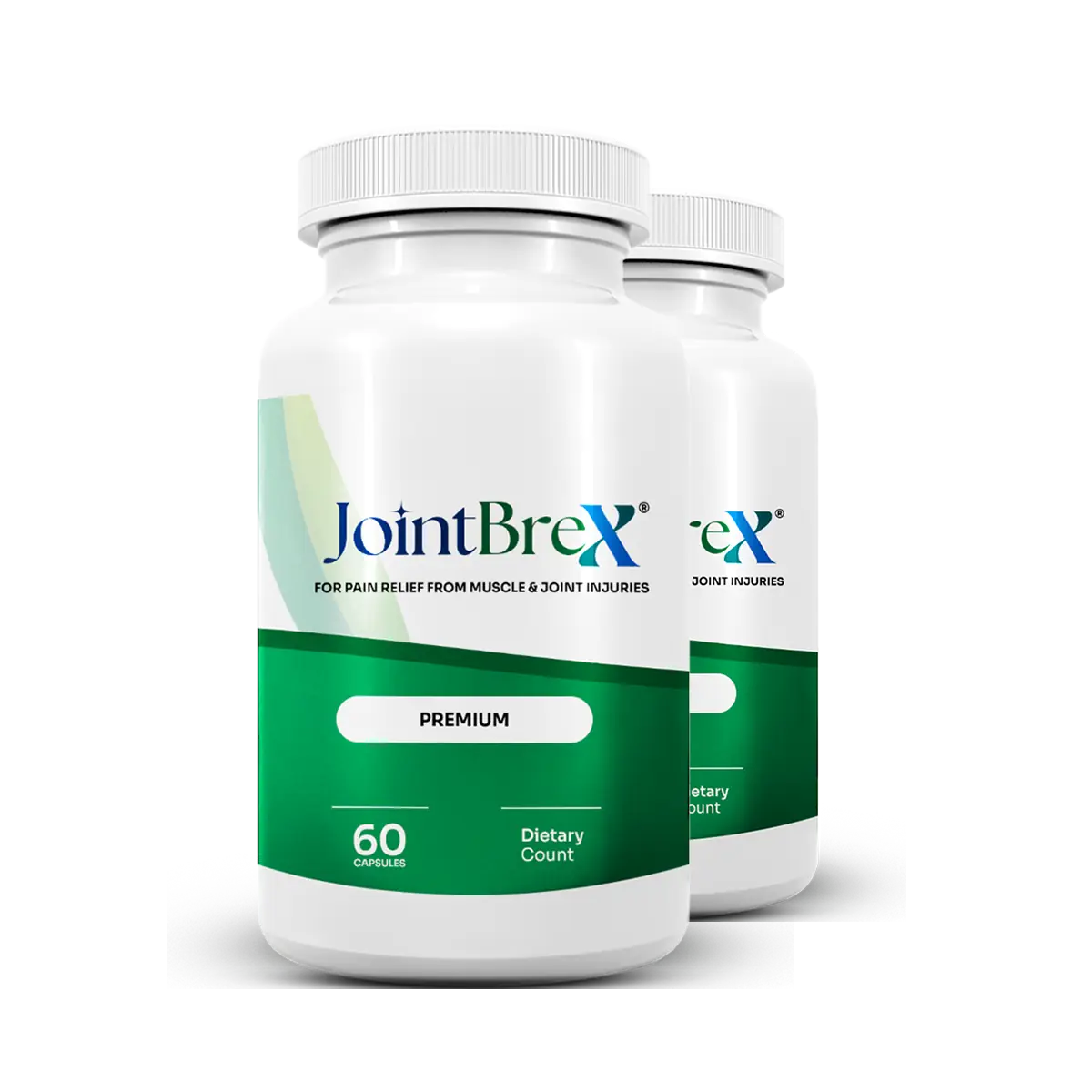
Those trials used 500 to 1,500 mg of curcuminoids a day. This capsule provides roughly 35 mg.
Putting that in proportion
You would need somewhere between fourteen and forty of these capsules a day to match the amounts in the research. That is not a suggestion — it is just the clearest way to show the size of the gap.
Why the label makes it hard to check
There are two turmeric lines. One says "95% curcuminoids", so 30 mg of it gives 28.5 mg of the useful part — clear and checkable. The other says "4:1", which describes how concentrated the manufacturing was, not what came out. That one cannot be worked out from the label at all, and it is the larger of the two by weight.
Absorption is the other half
Even when you swallow plenty of curcumin, very little of it reaches your bloodstream. It is poorly absorbed and cleared quickly. This is the reason turmeric supplements almost always include something to help, and why the black pepper extract in this formula is a sensible inclusion. It raises absorption around twentyfold.
But better absorption of a small dose is still a small dose.
Things to check before taking it
- Blood thinners. Turmeric affects clotting and adds to warfarin, aspirin and similar.
- An operation. Stop about two weeks before and tell the surgical team.
- Gallstones. Turmeric makes the gallbladder work harder and is usually avoided.
- Diabetes medicine. Curcumin may lower blood sugar too.
- Liver. Rare cases of liver trouble have been reported with concentrated turmeric supplements, more often with the high-absorption kinds. Rare, but not nothing.
And a note worth making plainly: taking more is not automatically better or safer. If you want a properly dosed turmeric product, that is a conversation with a pharmacist rather than a decision to make alone.
Sources
Also on the panel
Where to Buy, and What to Check First
We would rather you understood the label before spending anything. If you have read the guide and still want to try it, the pricing page lists the current totals, the numbers that do not agree, and the medicines to ask about.
Pricing and Warnings →