JointBrex, Explained Properly
If you have landed here after seeing an advert for JointBrex, this page is the version a knowledgeable friend would give you. No jargon, no sales language, and no pretending the awkward parts are not there.
What kind of thing is it?
A food supplement. That matters more than it sounds. Medicines have to prove they work before they can be sold. Supplements do not — they have to be safe and honestly labelled, but nobody has to demonstrate that they do anything. So when a supplement is sold alongside impressive-sounding science, the science is usually about an ingredient in general rather than about the product in the bottle.
In one line
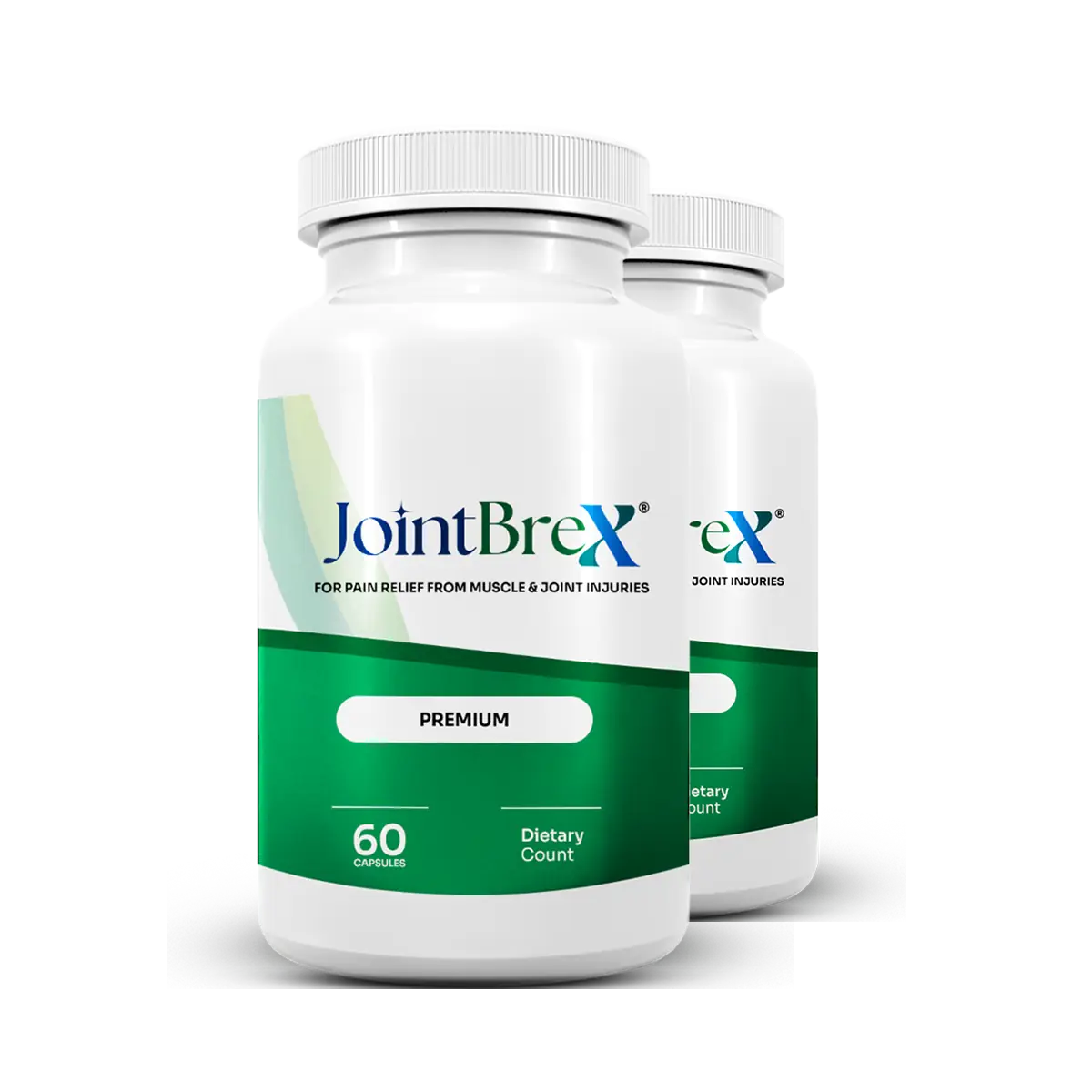
JointBrex is a turmeric capsule with a black pepper extract to help absorption, plus a plant extract called Coleus Forskohlii, taken once a day.
The panel, line by line
Turmeric root extract 4:1 — 75 mg. Turmeric is the yellow spice in curry. "4:1" describes how it was made: four parts of dried root concentrated into one part of powder. What it does not tell you is how much of the useful compound survived that process, and that is a real gap. Ratio extracts are usually much weaker than the standardised kind.
Turmeric extract, 95% curcuminoids — 30 mg. This is the clear one. Curcuminoids are the compounds in turmeric that research is actually about. 95% of 30 mg is roughly 28.5 mg. This is the only number on the panel you can pin down properly.
Coleus Forskohlii extract — 15 mg. A mint-family plant. The label gives a weight but no strength, so there is no way to know how much of the active compound (forskolin) is in there. Its research history is mostly about glaucoma and asthma, not joints.
Black pepper extract, BioPerine — 5 mg. The good decision. Turmeric on its own is very poorly absorbed; black pepper extract dramatically improves that. Five milligrams is the normal amount used in supplements.
Gelatin, cellulose, magnesium stearate. The capsule shell and the powder that stops the machinery clogging. Gelatin is from animals, so this is not a vegetarian product.
Adding it up
About 35 mg of curcuminoids a day, allowing generously for the 4:1 extract. Studies suggesting turmeric helps joint symptoms typically gave people 500 to 1,500 mg a day.
What that means
You are taking somewhere between a tenth and a fortieth of the amount used in the research. The black pepper helps you absorb more of it, but it cannot conjure up curcumin that was never in the capsule.
Where the bottle and the advertising part company
This is the part that made us build the site. The sales page describes a six-ingredient formula: Glucosamine Sulfate, Chondroitin Sulfate, Boswellia Extract, Turmeric, MSM and Bromelain. Five of those six are nowhere on the ingredient panel.
There are other mismatches. The bottle says one capsule daily; the sales page says two. The panel says 30 capsules; the sales page and bottle artwork say 60. The sales page carries a shellfish allergy warning, which would make sense for a glucosamine product — but there is no glucosamine on the panel.
And a few oddities beyond the ingredients: the sales page's list of scientific references is entirely about gut bacteria, type 2 diabetes and weight-loss herbs, with nothing about joints. An expert quote on the page recommends the product for dizziness and vertigo. The five bonus guides are all about nerve pain in the hands and feet.
What we think is going on
Probably something dull rather than sinister: a sales page built from a template used for other supplements, with joint copy written over the top and the old furniture left in place. That would explain a diabetes reference list, a vertigo quote, nerve-pain bonuses and a shellfish warning with no shellfish.
We are not accusing anyone of anything. But a page that gets its references, its bonuses and its ingredient list wrong has not earned much trust on the things you cannot check yourself.
So what should you do?
- Do not buy it expecting glucosamine. There is no sign of it on the panel.
- Judge it as a low-dose turmeric capsule, because that is what the panel describes, and compare it with plainly labelled turmeric products on that basis.
- Read the checkout total before you type in your card details.
- Follow the bottle, not the website, for how many to take.
- Ask the manufacturer in writing about shellfish if you have an allergy. Neither document can be relied on.
- If it has already arrived, compare the panel with what you thought you ordered. If it does not match, that is a fair reason to ask for a refund — and do it early, because of the 30-day use condition.
Sources
What It Costs
Prices come from the manufacturer and the sale goes through BuyGoods. The sales page prints more than one price for the same quantity, so read the checkout total carefully before you pay.
- Lowest per-bottle rate
- Includes the 5 digital bonuses
- 60-day guarantee
The crossed-out prices are figures the manufacturer publishes. We found no evidence the product has ever sold at them, so please judge the price on the right and ignore the apparent discount. "See Price" opens our pricing page, which links to the official checkout. We may earn a commission at no extra cost to you.
Where to Buy, and What to Check First
We would rather you understood the label before spending anything. If you have read the guide and still want to try it, the pricing page lists the current totals, the numbers that do not agree, and the medicines to ask about.
Pricing and Warnings →