Why a Supplement Is Not a Medicine, and Why That Matters
A great deal of confusion disappears once you understand that these are two entirely different categories in law.
Medicines have to prove it
Before a medicine can be sold, its manufacturer has to demonstrate to a regulator that it does what it claims and that its risks are acceptable. That means clinical trials, submitted evidence, and a review process that can take years and cost a fortune.
Supplements do not
A food supplement can be sold without anyone demonstrating that it works. The manufacturer is responsible for it being safe and honestly labelled, and regulators can act after the fact if there is a problem — but nobody checks efficacy in advance.
The consequence
"You can buy it" tells you nothing about whether it works. That is a genuinely different situation from prescription medicine, where availability does carry that information.
Which is why the wording is strange
Supplements may make what are called structure/function claims — supports joint comfort, helps maintain a healthy inflammatory response. They may not claim to treat, cure or prevent a disease.
So labels end up hedged in a slightly odd way, and there is usually a line saying the statements have not been evaluated by the FDA. That is the law visible on the packaging.
What "FDA registered facility" means
It means the factory is on a list. It does not mean anyone assessed the product. There is no such thing as an FDA-approved food supplement, so any product described that way is being described inaccurately.
Why the sales pages look the way they do
Because the constraint is on the label, and enforcement of what appears on a landing page is patchier. That is how you get bottles with careful hedged wording and websites promising to eliminate pain and rebuild cartilage.
When the two disagree that sharply, the bottle is the document with rules behind it.
None of this makes supplements worthless
Some ingredients have real research behind them. Correcting a genuine deficiency is a real benefit. The point is narrower: the category does not carry the built-in assurance that medicines do, so the checking falls to you.
The practical upshot
- Judge the ingredient and the dose, not the fact that it is for sale.
- Believe the panel over the advertising.
- Treat "FDA registered facility" as a fact about a building.
- Tell your doctor and pharmacist what you take. Supplements belong on your medication list even though nobody prescribed them.
Sources
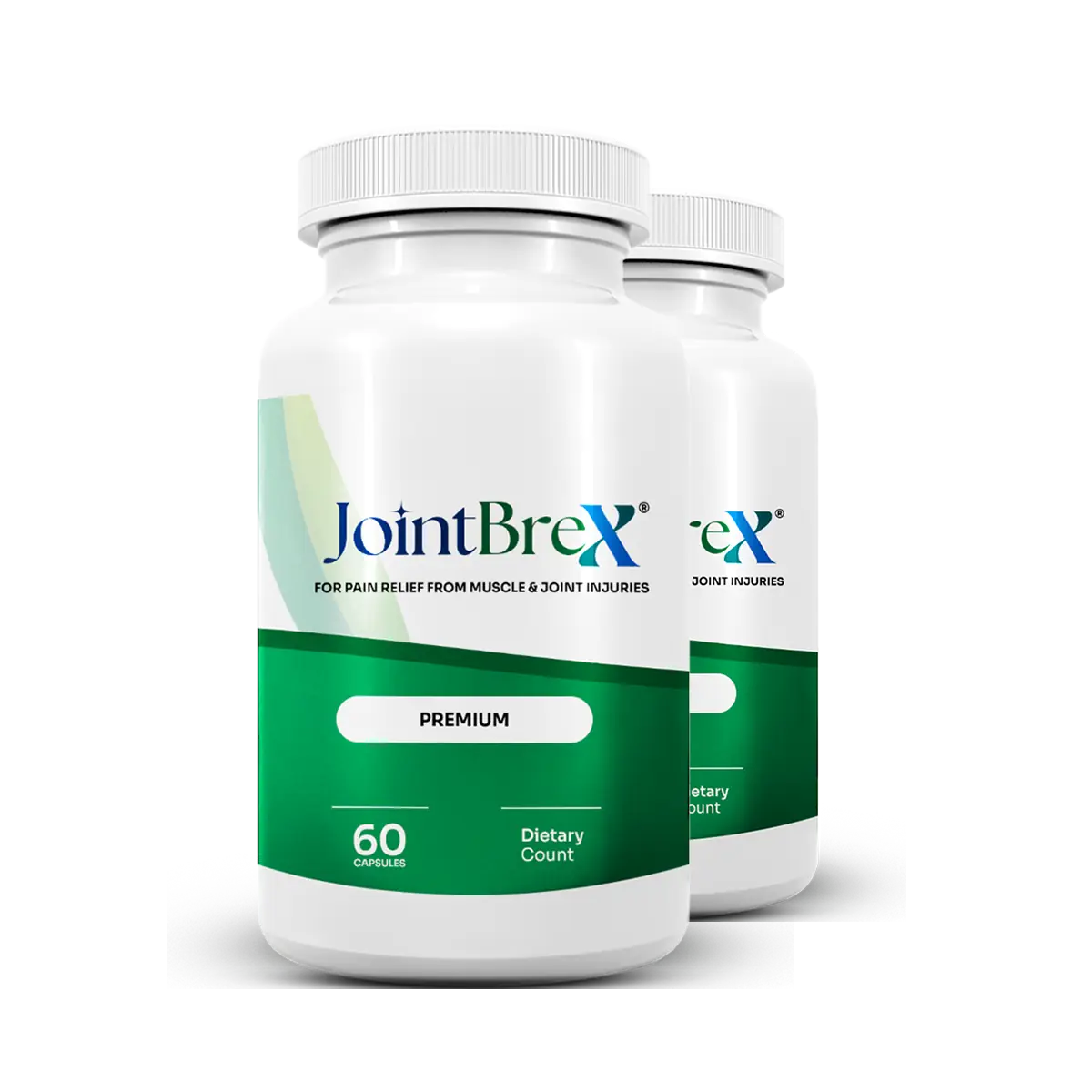
Where to Buy, and What to Check First
We would rather you understood the label before spending anything. If you have read the guide and still want to try it, the pricing page lists the current totals, the numbers that do not agree, and the medicines to ask about.
Pricing and Warnings →