How to Read the Milligrams on a Supplement Label
You do not need to understand chemistry to work out whether a supplement is worth buying. You need to find three numbers and do one sum.
Number one: serving size
At the top of the panel. This is how many capsules make up everything listed below. If the serving size is two capsules, every figure on the panel needs two capsules to reach.
People miss this constantly. A bottle of 60 capsules with a two-capsule serving is a 30-day supply, not 60 days.
Number two: servings per container
Right underneath. Multiply this by the serving size and you know how many capsules are in the bottle. Divide the price by servings and you have cost per day, which is the only number that lets you compare two products fairly.
Number three: the standardisation percentage
The one people never look for, and the most important. It appears in brackets after an extract name — "(95% curcuminoids)", "(20% forskolin)". Multiply it by the extract weight and you have the amount of the actual active compound.
The sum
Extract weight × standardisation percentage × servings per day = what you are really taking each day. Compare that with what studies used, and most products disqualify themselves.
What to do when there is no percentage
Sometimes you will see a ratio instead — 4:1, 10:1. That describes the manufacturing, not the contents, and you cannot convert it. Treat the active content as unknown and assume the low end.
Sometimes there is nothing at all, just a plant name and a weight. Same conclusion.
The "other ingredients" line
Below the panel, in smaller type, and often the most consequential line for the person reading. Gelatin capsules are not vegetarian. Allergens appear here. So do fillers.
Proprietary blends
If several ingredients are grouped under a made-up name with one combined weight, you cannot work out any individual amount. That may be protecting a recipe or it may be hiding a lot of something cheap. Either way, the arithmetic is closed to you.
The whole check, in a minute
Serving size. Servings per container. Standardisation percentage. Do the sum. Read the other ingredients line. That is enough to sort most of a supplement aisle without knowing any chemistry at all.
Sources
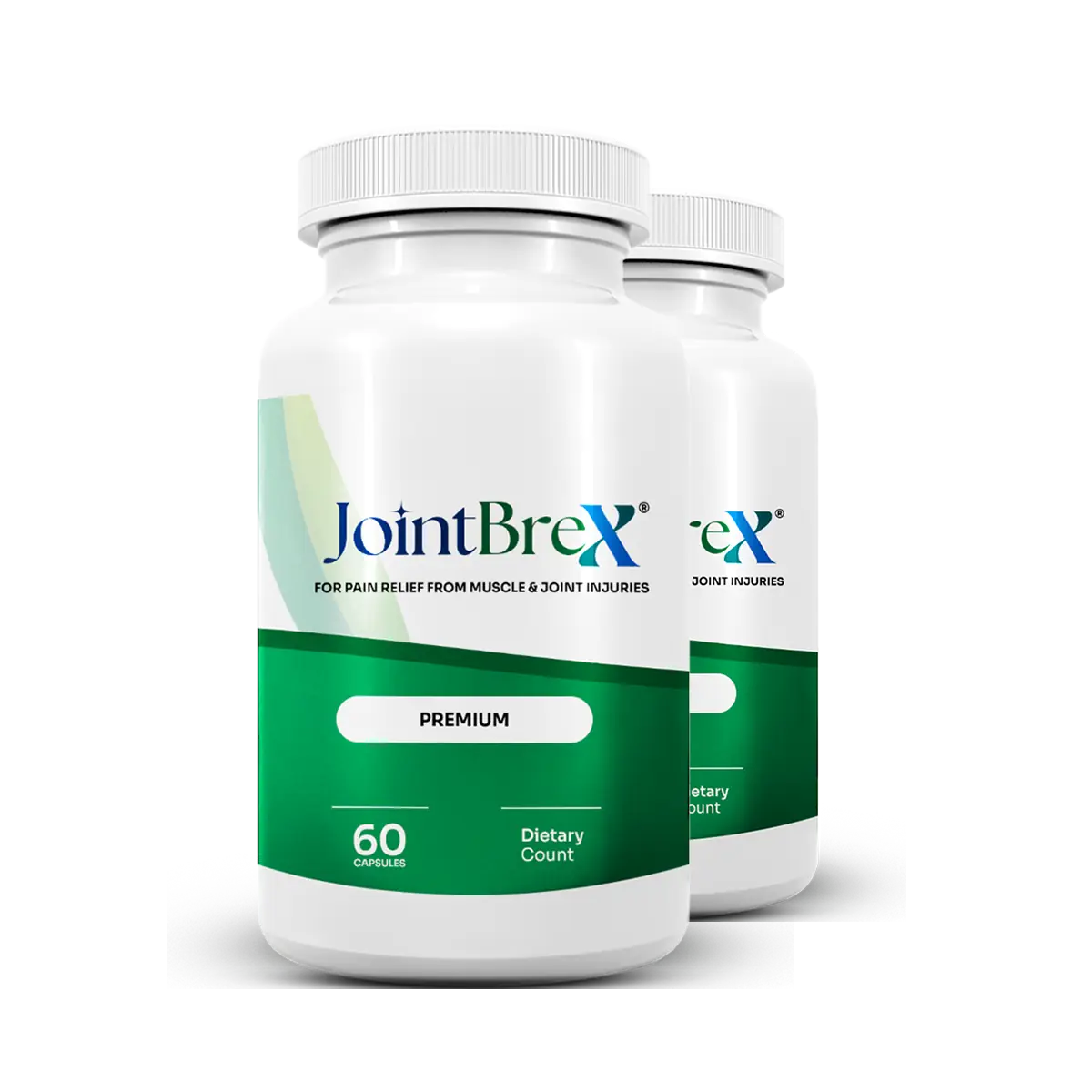
Where to Buy, and What to Check First
We would rather you understood the label before spending anything. If you have read the guide and still want to try it, the pricing page lists the current totals, the numbers that do not agree, and the medicines to ask about.
Pricing and Warnings →