Capsules, Tablets and Softgels: Does the Format Matter?
The shape of the thing you swallow makes less difference than the marketing suggests, but there are a couple of real considerations.
Hard capsules
A two-piece shell filled with powder. The shell is either gelatin, which comes from animals, or a plant-based alternative usually called HPMC or vegetable cellulose.
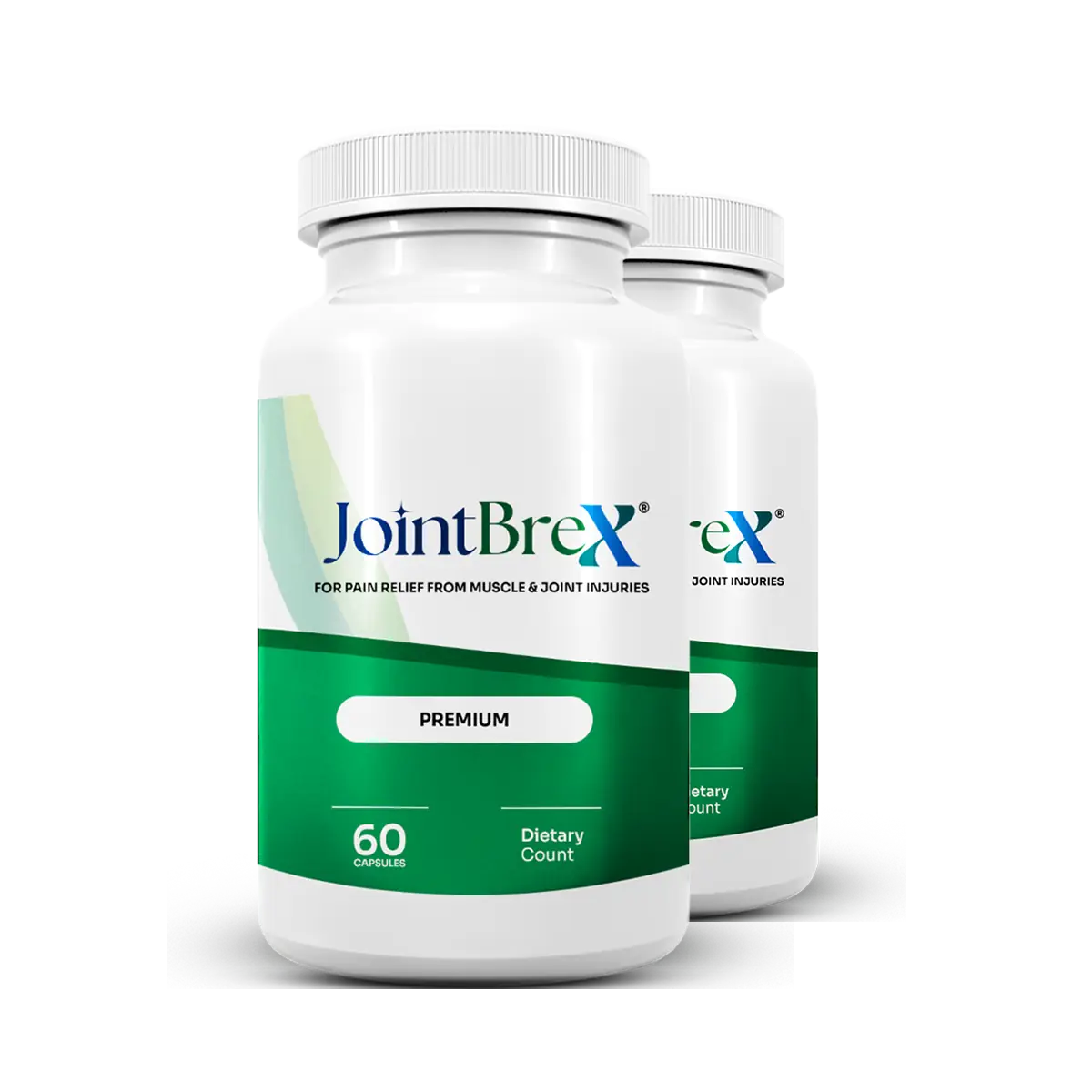
This is the one place format genuinely matters to a lot of people. A gelatin capsule rules a product out for vegetarians, vegans, and some religious diets. Labels do not always make this prominent — JointBrex lists gelatin on the panel but its sales page never mentions it.
Tablets
Powder compressed into a solid disc, usually with binders and sometimes a coating. They can hold more material in a smaller space, which matters when an ingredient needs a large dose.
The occasional complaint is that a badly made tablet may not break up properly. In practice this is rare with reputable manufacturers.
Softgels
A sealed one-piece shell, usually gelatin, holding a liquid or oil. Genuinely useful for fat-soluble ingredients — fish oil, vitamin D, and some turmeric preparations dissolved in oil, which can improve absorption.
Powders and liquids
Flexible on dosing and easy to swallow, which suits people who struggle with pills. Usually taste of the ingredient, which for turmeric is not for everyone.
The two things that actually matter
What the shell is made of, if you have a dietary restriction. And whether the format suits the ingredient — an oily ingredient in a softgel makes sense; a large dose in a small hard capsule may not fit.
What does not matter much
Claims about "faster absorbing" formats are usually oversold. For most ingredients, the difference between a capsule and a tablet is small compared with the difference between a good dose and a small one.
The question worth asking instead
How many do I have to swallow to get the amount on the front of the bottle? A product needing four large capsules a day to reach its headline figure is a different proposition from one needing a single small one — and that is a format question that genuinely affects whether you will stick with it.
Sources
Where to Buy, and What to Check First
We would rather you understood the label before spending anything. If you have read the guide and still want to try it, the pricing page lists the current totals, the numbers that do not agree, and the medicines to ask about.
Pricing and Warnings →